
Solar Energy
Ecological, Smart ve Sustainable Cities
Güneş Enerjisi
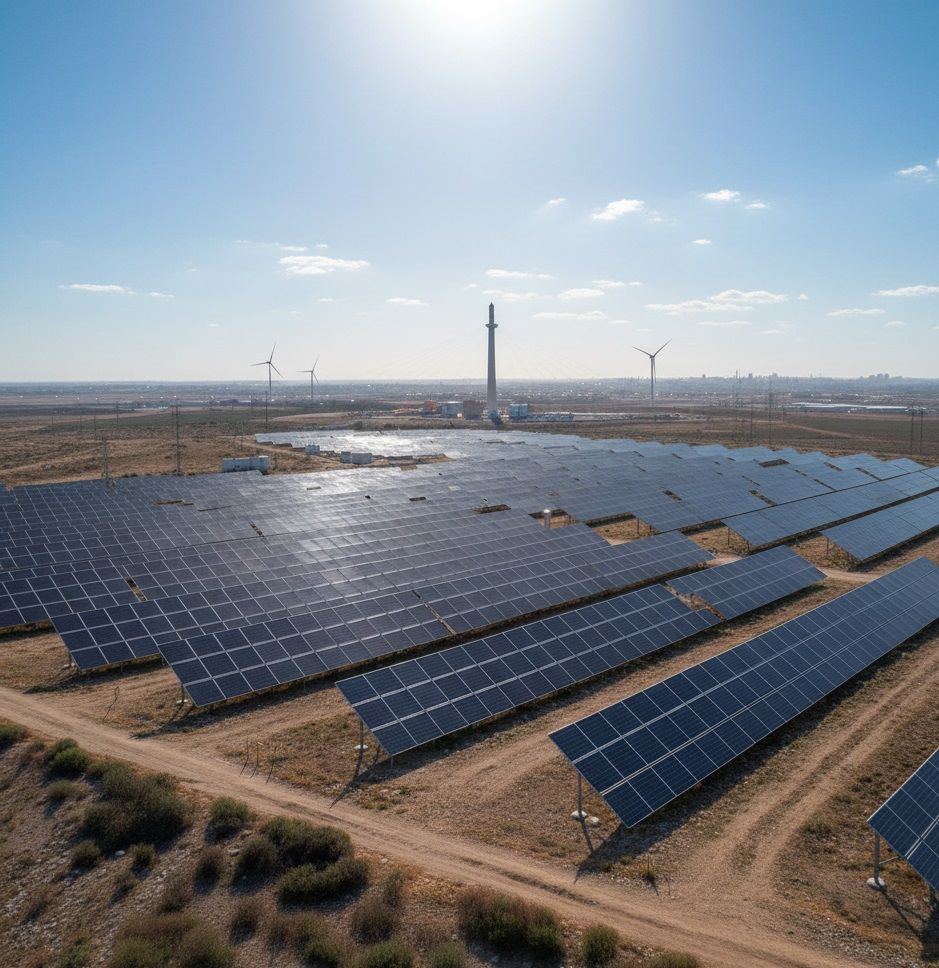
Solar energy is a type of energy obtained by utilizing the light and heat emitted by the sun. This energy can be converted into electricity, heat, or fuel using various technologies. The most common use of solar energy is electricity generation through solar panels.
The sun is the energy source for all planets in the solar system. It is an indispensable resource, especially for all living beings on our Earth.
Particularly due to its functionality during the summer months and the significant savings it provides on electricity bills, solar panels are one of the most popular renewable energy sources today. Solar energy is an inexhaustible and environmentally friendly resource. It does not emit greenhouse gases and does not cause air pollution.
Solar panels, which we frequently encounter on the roofs of houses in cities and villages, can be used to heat water, meet the hot water needs of the house, or be fed into the heating system to meet space heating requirements.
Basic Features and Usage Areas of Solar Energy:
Photovoltaic (PV) Systems: Solar panels convert sunlight directly into electrical energy. These systems are used in a wide range of applications, from rooftop panels on homes to large-scale Solar Power Plants (SPP).
Termal Systems: Used for purposes such as water heating or building heating by utilizing the sun's heat. Solar collectors placed on roofs are generally used for this purpose.
Passive Solar Energy: A principle of reducing heating and lighting needs by making the best use of sunlight in building design. For example, positioning windows to face south is an example of this method.
Solar energy offers a clean and sustainable solution for both individual users to meet the electricity needs of homes and for large-scale energy production. It has great potential for increasing energy independence, especially in sunny regions.