Solid Waste Collection and Transportation
Ecological, Smart ve Sustainable Cities
Municipal Solid Waste Collection and Transportation refers to the process of collecting non-hazardous waste generated in residential areas (homes, schools, offices, etc.) from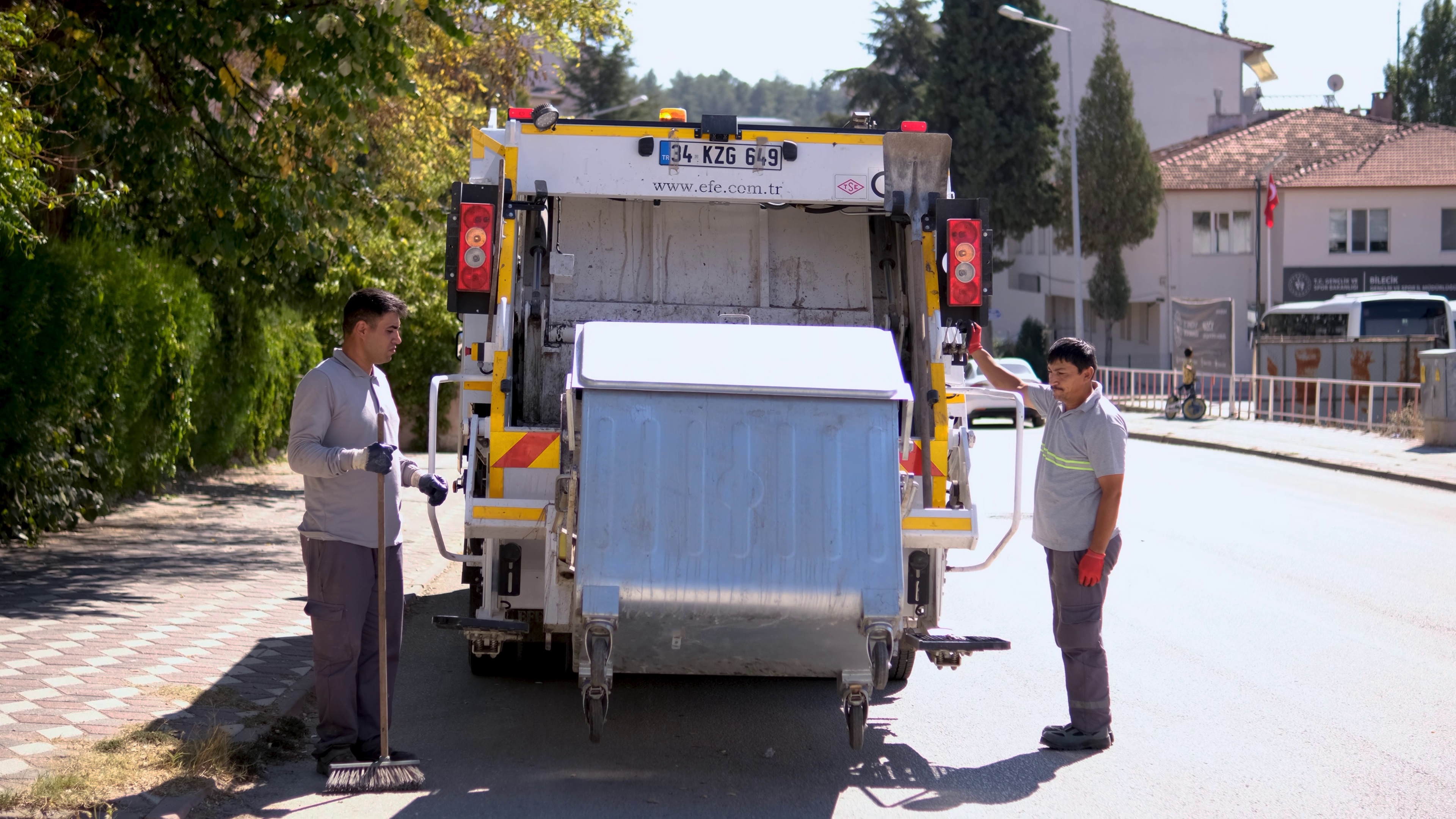 the source in accordance with hygienic standards and transporting it to appropriate transfer stations or final disposal facilities.
In modern urban management, this process represents the most costly and logistically complex component of Integrated Waste Management systems.
1. Main Stages of the Process
Waste collection and transportation is not merely the passage of a garbage truck through streets; it consists of the following interconnected stages:
Waste Storage
Separation of waste at the household level (organic waste, recyclables, etc.) and storage in standardized containers.
Collection
Emptying of containers by waste collection vehicles (hydraulic compactor trucks) along predefined routes.
Transfer
To reduce transportation costs, waste collected by smaller vehicles is transferred at Waste Transfer Stations to larger-capacity vehicles (trailers / semi-trailers).To reduce transportation costs, waste collected by smaller vehicles is transferred at Waste Transfer Stations to larger-capacity vehicles (trailers / semi-trailers).
Transportation
Transport of waste to the final destination, such as sanitary landfills or recovery and recycling facilities.
2. Management and Planning Criteria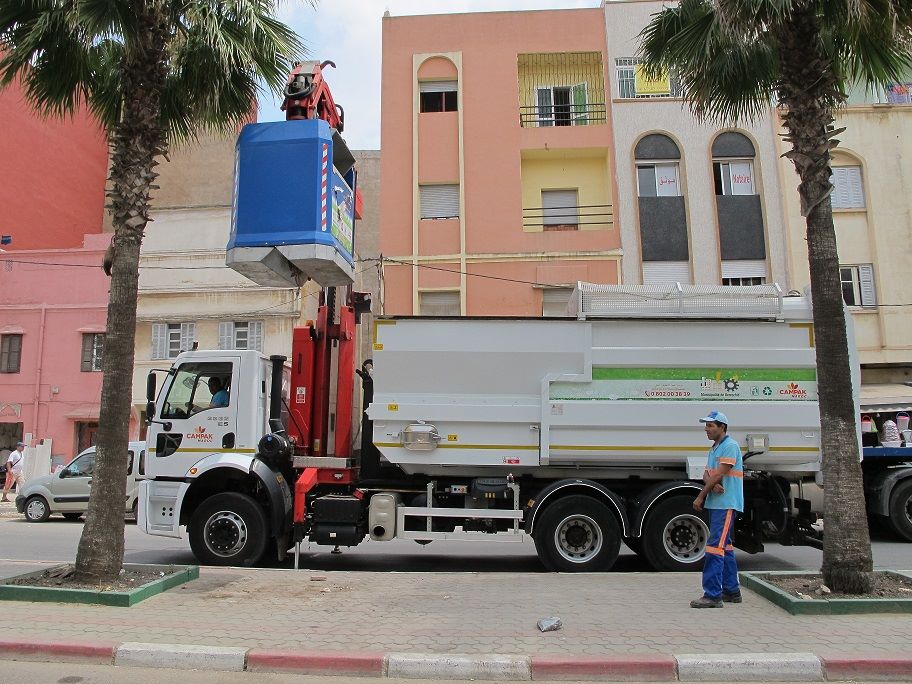
For an efficient collection system, municipalities and contracted service providers consider the following criteria:
Route Optimization
Determination of the shortest and most efficient routes to minimize fuel consumption and labor costs.
Collection Method
Selection of door-to-door collection or container-based collection systems based on the characteristics of the service area.
Waste Characterization
Selection of appropriate vehicle types according to waste properties such as moisture content, density, and composition.
Collection Frequency
Planning of daily, alternate-day, or weekly collection schedules based on population density.
3. Regulatory Framework and Financing
In Türkiye, these services are carried out within the framework of Environmental Law No. 2872 and related regulations:
Responsibility of Municipalities
Under Municipal Law No. 5393, the collection and transportation of municipal solid waste is a direct responsibility of municipalities.
Polluter Pays Principle
Service costs are recovered from residents in accordance with the Municipal Solid Waste Tariff Regulation, either through charges added to water bills or collected via property tax assessments.