Urban Cleaning
Ecological, Smart ve Sustainable Cities
Urban Cleaning and Sanitation Services encompass all public services carried out to maintain the livability, public health, and a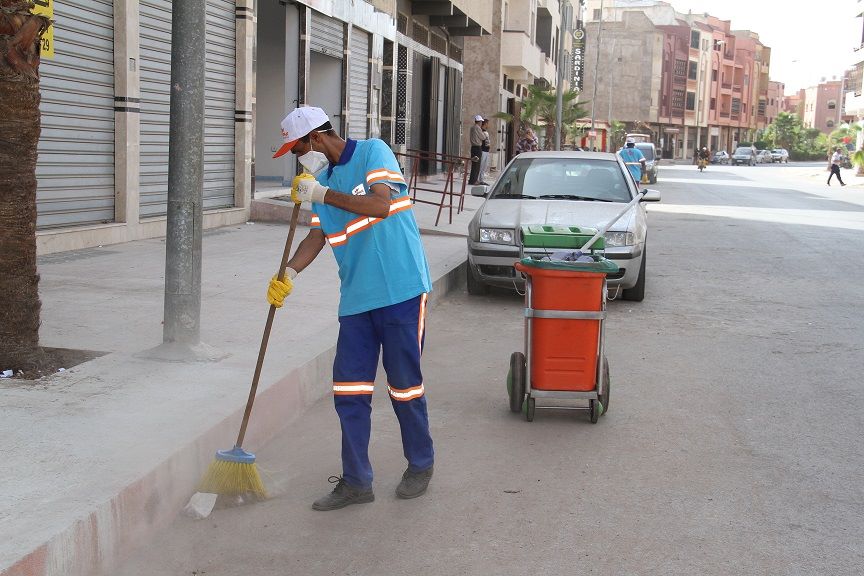 esthetic appearance of modern cities. These services go far beyond waste collection and include a wide operational spectrum ranging from street disinfection to snow and ice control.
Below are the main components and management processes of urban cleaning services:
1. Core Service Areas
Urban cleaning services are generally grouped under four main categories:
Street Sweeping and Cleaning (Manual and Mechanical)
• Manual Sweeping: Cleaning of sidewalks and narrow streets by sanitation personnel.
• Mechanical Sweeping: Cleaning of main roads and boulevards using vacuum-assisted street sweeping vehicles.
Washing and Disinfection
High-pressure washing and disinfection of marketplaces, public squares, and waste container areas using water and disinfectant solutions.
Solid Waste Management
Timely collection of residential, commercial, and industrial waste and transportation to transfer stations.
Urban Furniture Maintenance
Painting, repair, and periodic disinfection of waste containers and other urban sanitation equipment.
2. Operational Planning and Technology
Modern technologies are widely used to ensure efficient urban cleaning management:
Vehicle Tracking Systems (GPS)
Monitoring of cleaning vehicle routes and verification that all streets are serviced.
Smart Containers
Sensor-equipped containers that transmit fill-level data to control centers, enabling collection only when full and reducing fuel consumption.
Shift Management
Scheduling cleaning operations during nighttime or early morning hours based on urban traffic density.
3. Special and Seasonal Activities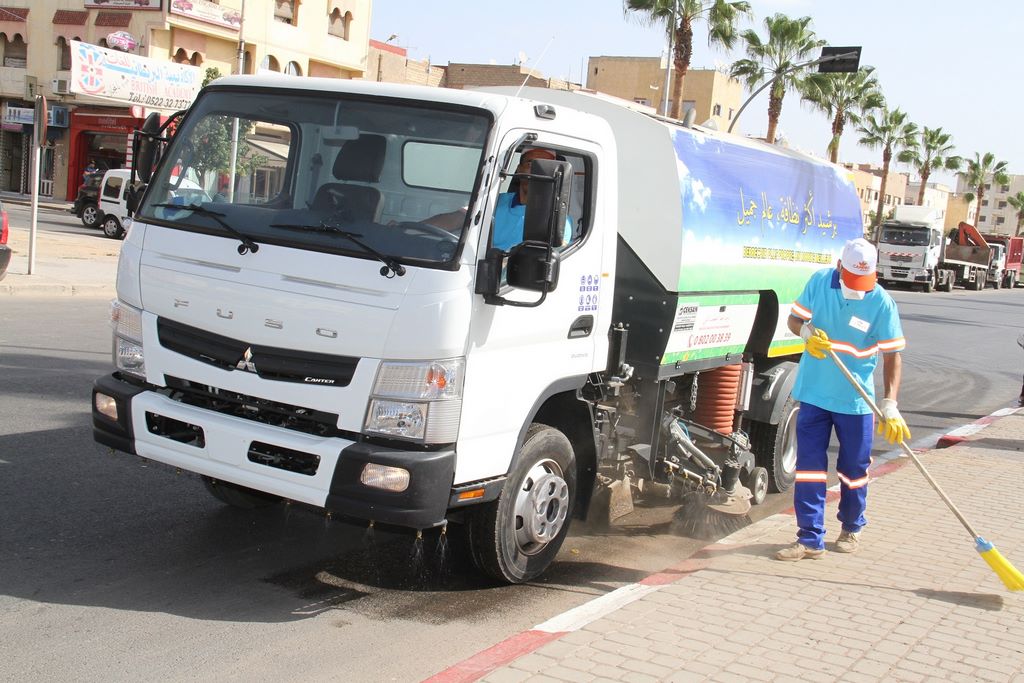
Urban cleaning services adapt to seasonal conditions and local needs:
Cleaning of Places of Worship and Schools
Periodic hygiene and sanitation services for public buildings within the scope of social municipal services.
Snow and Ice Control
Snow plowing operations and salting or de-icing solution applications to prevent icy conditions.
Graffiti and Poster Removal
Cleaning of walls, poles, and public surfaces to prevent visual pollution.
Waste Drop-Off Centers
Facilities for the collection of special waste such as furniture, household appliances, and waste cooking oils.
4. Financing and Legal Framework
In Türkiye, urban cleaning services are a statutory responsibility of municipalities under Municipal Law No. 5393.
Contracted Service Providers
Municipalities may deliver these services using their own resources or through service procurement contracts awarded to private sanitation companies via public tenders.
Environmental Cleaning Tax (ECT)
Funding for these services is provided through taxes collected from residents, including the Environmental Cleaning Tax, as well as allocations from the general municipal budget.
WHY IT MATTERS
Public Health
Prevents the spread of infectious diseases and supports hygienic living environments.
Environmental Protection
Prevents waste from entering the natural environment and contaminating soil and groundwater.
Tourism and Urban Prestige
Clean cities enhance tourism potential and increase economic attractiveness.