
Solid Waste Transfer Stations
Ecological, Smart ve Sustainable Cities
Waste transfer stations are one of the fundamental components of an integrated waste management system, ensuring that municipal solid waste is transported to disposal facilities in an efficient and environmentally responsible manner. Thanks to transfer stations, waste collection vehicles are no longer required to travel directly to final disposal sites, which significantly reduces both operational costs and environmental impacts.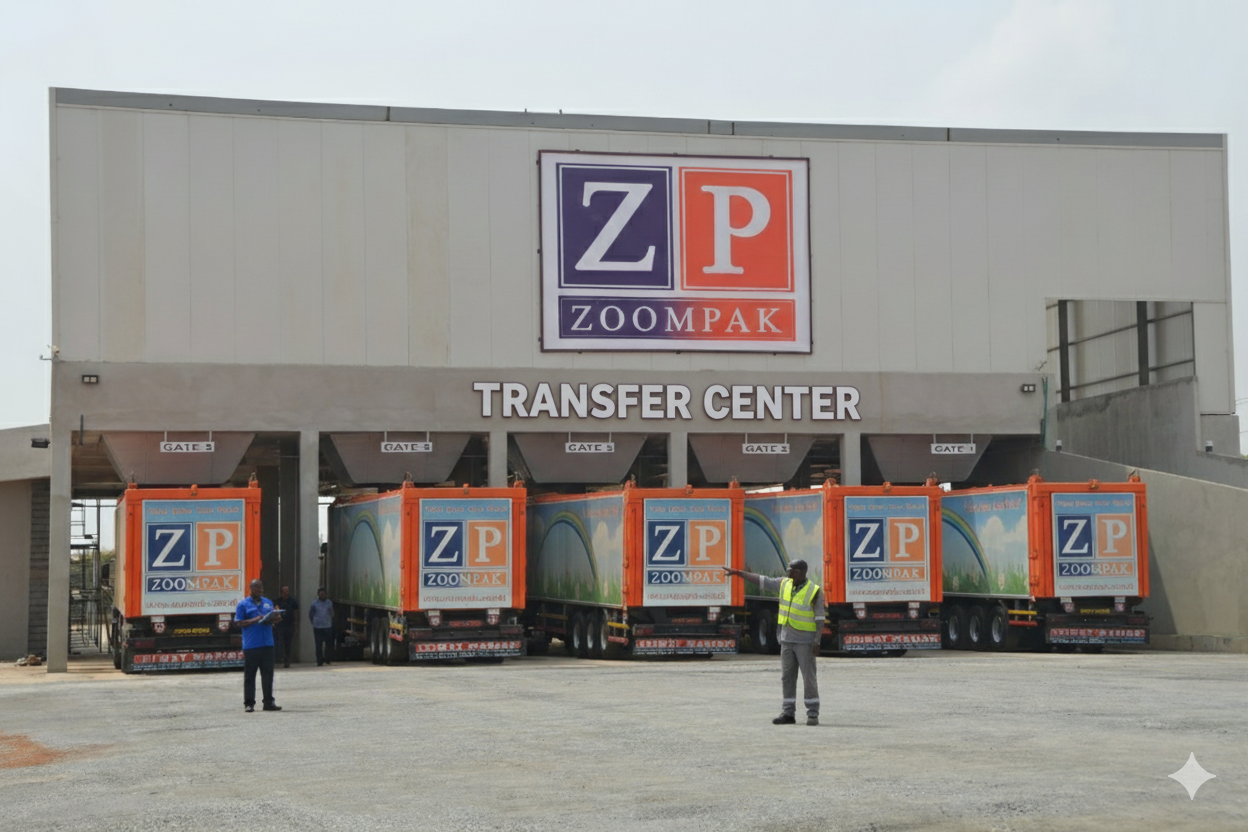
BENEFITS OF WASTE TRANSFER STATIONS
Time and Fuel Efficiency
Small-capacity waste collection vehicles discharge collected waste at transfer stations. The accumulated waste is then transported in bulk by high-capacity vehicles, resulting in significant savings in time and energy.
Reduction of Carbon Emissions
By reducing the number of vehicles and trips required, greenhouse gas emissions released into the environment are significantly lowered.
Reduction of Traffic Congestion
Waste transportation traffic, especially in city centers, is minimized, thereby protecting both environmental quality and public health.
APPLICATION AREAS
• Metropolitan and district municipalities
• Organized industrial zones
• Large residential areas
• Public institutions and private-sector waste management projects
REGULATORY COMPLIANCE AND ENVIRONMENTAL IMPORTANCE
Transfer station facilities must be designed, constructed, and operated in compliance with the regulations of the Ministry of Environment, Urbanization and Climate Change. Waste transfer stations play a critical role in preventing environmental pollution, optimizing waste management systems, and supporting a sustainable environment.