Recovery and Recycling of Waste
Ecological, Smart ve Sustainable Cities
Our natural resources are limited, while recycling represents an unlimited opportunity.
The recovery and reuse of municipal and industrial waste contribute not only to environmental sustainability but also significantly support economic development and resource efficiency.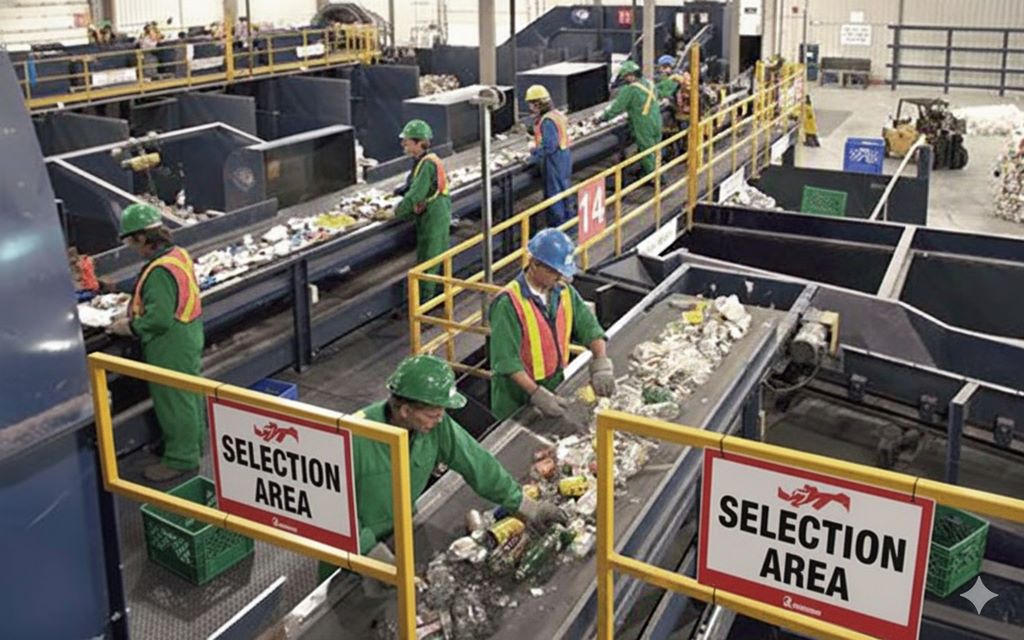
The controlled management of processes involving the collection, segregation, and transfer of municipal (organic, packaging, plastic, glass, etc.) and industrial (metal, chemical, textile, production residues, etc.) waste in compliance with environmental legislation plays a vital role in protecting both the natural environment and public health.
MUNICIPAL AND INDUSTRIAL WASTE RECOVERY AND RECYCLING ACTIVITIES
• Classification and collection of municipal and industrial waste
• Appropriate separation and pre-treatment according to waste type
• Transportation to licensed recycling and recovery facilities
• Material recovery and waste-to-energy solutions
• Preparation of reports and regulatory records
• Waste management consultancy services
BENEFITS OF MUNICIPAL AND INDUSTRIAL WASTE RECOVERY AND RECYCLING
Conservation of Natural Resources
Reduces activities such as deforestation and mineral extraction.
Energy Savings
Producing new products from recycled materials requires significantly less energy than processing virgin raw materials.
Reduction of Landfill Use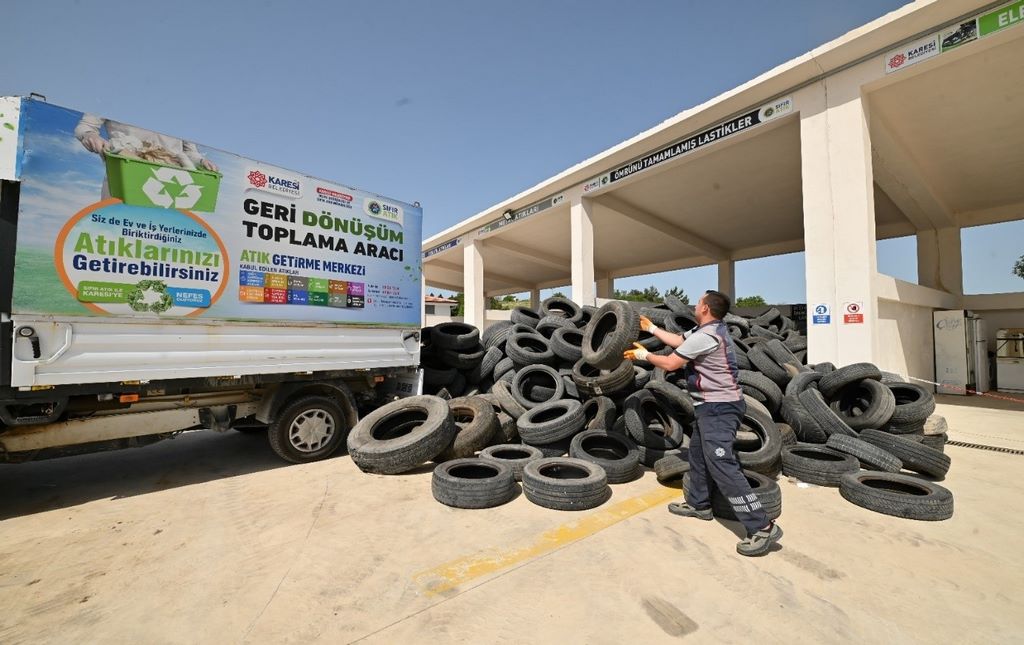
Decreases the volume of waste sent to landfills and helps prevent environmental pollution.
Pollution Prevention
Contributes to the reduction of air and water pollution.
Economic Contribution
Transforms waste into valuable raw materials and reduces dependency on imports.
Job Creation
The recycling sector generates new employment opportunities.
Public Awareness
Enhances environmental awareness and responsible behavior within society.
Cost Savings
Lowers production and waste management costs.
Full Compliance with National and International Environmental Regulations