Collection, Transportation, Recycling, and Disposal of Industrial, Hazardous Solid and Liquid Waste
Ecological, Smart ve Sustainable Cities
Since the nature of these materials involves high risks, the collection and transportation of industrial and hazardous waste must be carried out in compliance with strict legal regulations, using specialized equipment, and through licensed companies.
The details of these processes are meticulously implemented to ensure environmental safety and public health.
1. Waste Collection and Separation at Source
The collection process begins at the facility where the waste is generated (factory, hospital, laboratory, etc.) and separation at the source is essential.
Classification and Separation at Source
Identification of Waste in Accordance with Regulations
Separate Collection
Temporary Storage and Packaging
Packaging
Labeling
Temporary Storage Area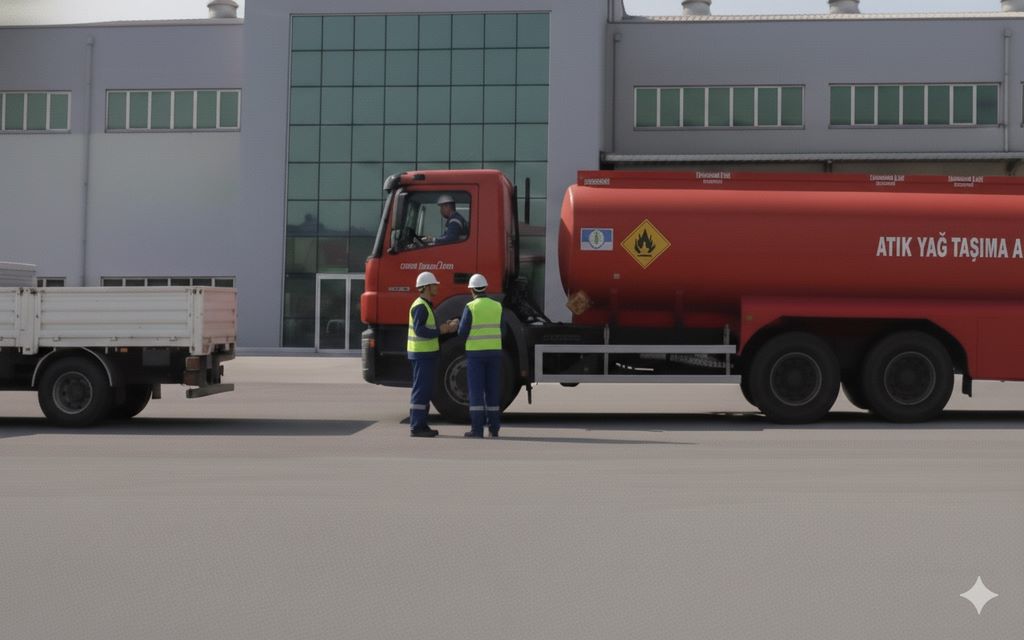
2. Waste Transportation Process (Logistics)
Moving the waste from the facility boundaries to the recovery or disposal facility is the stage that requires the highest safety measures.
Licensing and Authorization Requirement
Transportation License
ADR Regulations
MoTAT (Mobile Waste Tracking System) and Certification
Electronic Tracking
Responsibility of the Waste Producer
HWTD (Hazardous Waste Transfer Document)
Transportation Safety
Specialized Vehicles
Trained Personnel
Emergency Response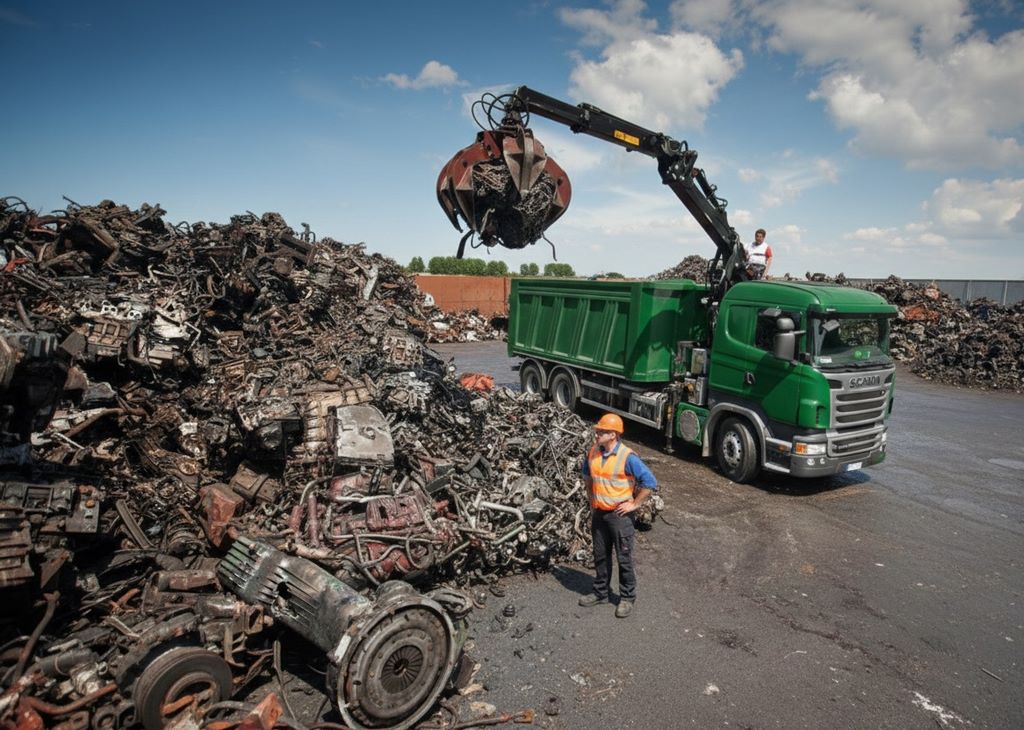
3. Waste Management Hierarchy and Recycling/Recovery
The fundamental principle for hazardous waste is to fully evaluate its recovery potential before final disposal.
Recovery (Recycling)
Material Recovery
Solvents
Waste Oils
Metals and Batteries
Electronic Waste
Energy Recovery (Co-incineration)
The controlled use of wastes that are not technically or economically recyclable but have high caloric content (sludges, certain chemical wastes) as fuel in industrial facilities such as cement and lime factories by converting them into Refuse-Derived Fuel (RDF). This reduces fossil fuel consumption.
4. Disposal Methods (Final Disposal)
Geri kazanım veya enerji geri kazanımı seçenekleri bulunmayan atıklar, çevreye zarar vermeyecek şekilde bertaraf edilmek zorundadır.
Termal Bertaraf (Yakma - İnsinerasyon)
Kullanım Alanı:
İşlem
Güvenlik
Fiziksel ve Kimyasal İşlemler
Nötralizasyon
Stabilizasyon/Katılaştırma
Filtrasyon ve Ayırma
Düzenli Depolama (Nihai Depolama)
Depolama Alanın Hazırlanması
Atık Döküm İşlemi ve Tesviye
Depolama Sonrası Islah
5. Legal Responsibility and Licensing
Licensing Requirement: All facilities performing recovery and disposal activities must obtain an Environmental License from the Republic of Türkiye Ministry of Environment, Urbanization and Climate Change.
Producer's Responsibility: Even if the waste producer delivers the waste to a licensed company, they remain jointly and severally liable for environmental damage until the waste is finally disposed of. This requires diligence at every stage of waste management.