Compost and Organomineral Fertilizer
Ecological, Smart ve Sustainable Cities
COMPOSTING
Composting is the process of decomposing organic waste through natural methods and recycling it back into the soil. This eco-friendly method both reduces the amount of waste and produces a fertile soil conditioner that can be used in agriculture and landscaping.
Processing domestic and industrial organic waste in composting facilities—without harming the environment—ensures that these materials are prepared for reuse and reintegrated into the circular economy.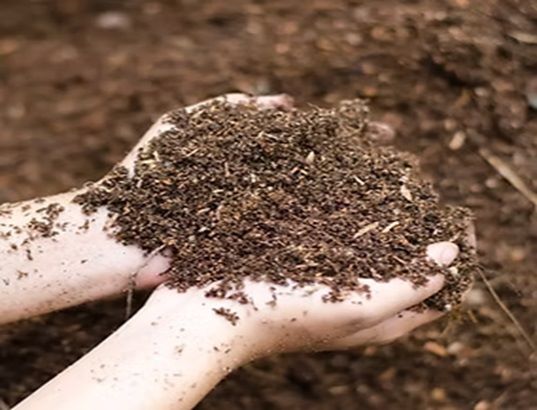
Composting Activities
Collection of domestic organic waste (fruit, vegetables, tea grounds, etc.)
Utilization of green waste such as garden waste, leaves, and grass clippings
Controlled processing of industrial food waste
Management of proper decomposition, moisture, and temperature for compost production
On-site composting systems for municipalities, residential complexes, schools, and institutions
Utilization of the produced compost in agricultural and landscaping areas
Benefits of Composting
Reduces the volume of waste and lowers disposal costs.
Enhances soil quality and meets the need for natural fertilizers.
Reduces greenhouse gas emissions, offering a climate-friendly solution.
Acts as one of the core components of zero-waste policies.
Supports environmental sustainability by protecting natural cycles.
ORGANOMINERAL FERTILIZER
Organomineral fertilizer is a type of hybrid fertilizer that supports agricultural sustainability by combining both organic and mineral (inorganic) components. It merges the rapid nutrient supplementation of traditional chemical fertilizers with the soil-improving benefits of organic fertilizers.
The term "organomineral" refers to the two primary sources of this fertilizer:
Organic Matter
Mineral Nutrients
Advantages and Benefits of Organomineral Fertilizers
Organomineral fertilizers provide significant contributions to plant and soil health in both the short and long term:
1. Improving Soil Structure (The Role of Organic Matter)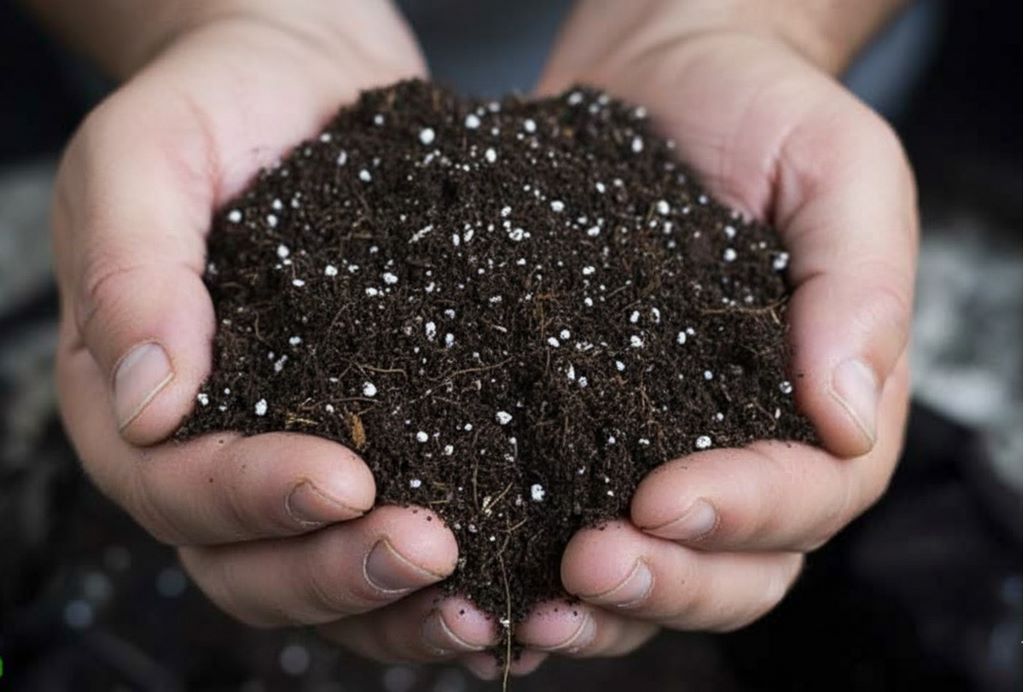
High Water-Holding Capacity
Air and Water Permeability
Erosion Resistance
2. Balanced and Slow Feeding (Combination of Mineral and Organic)
Fast and Slow Release
Better Absorption
3. Increasing Biological Activity
The organic component acts as a source of energy and nutrients for beneficial microorganisms (bacteria and fungi) in the soil. Increased microbial activity accelerates the nutrient cycle and supports soil vitality.
In this way, plants become more resistant to diseases and pests.
4. Contribution to Sustainability
Organomineral fertilizers reduce the amount of traditional chemical fertilizer used. This lowers environmental pollution (leaching into groundwater) and fertilizer costs.
By allowing the recycling of organic waste (animal manure, agricultural waste), it also carries environmental responsibility in terms of waste management.