
Solid Waste Landfil
Ecological, Smart ve Sustainable Cities
Sanitary Landfill is the controlled disposal of solid waste—which cannot be recycled or processed through other disposal methods (incineration, composting)—in facilities specifically designed and constructed with engineering principles to prevent harm to the environment and human health. The term "Sanitary" (or "Regular/Organized") is the most important feature that distinguishes these facilities from old-fashioned, uncontrolled, and dangerous "open dumps" (wild landfills).
Key Components of Sanitary Landfill Facilities
A modern sanitary landfill facility includes specific engineering barriers and management systems to minimize environmental risks:
1. Base Liner System: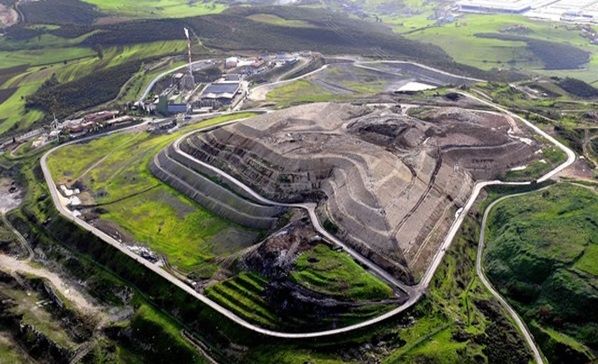
The floor of the disposal area is covered with a barrier consisting of one or more layers to prevent liquids originating from the waste (leachate) from mixing into the groundwater.
This barrier typically consists of compacted clay and a geomembrane (high-density polyethylene - HDPE) layer laid over it.
2. Sızıntı Suyu (Leachate) Yönetim Sistemi:Leachate Management System:The contaminated liquid formed by the water contained within the waste and the contact of rainwater with the waste is called leachate.Leachate is collected through drainage pipes and gravel layers installed on top of the impermeable liner.This collected water is processed in specialized treatment plants before being released into the environment.
3. Landfill Gas (LFG) Management:
As a result of the decomposition of stored organic waste under anaerobic (oxygen-free) conditions, landfill gas—primarily methane and carbon dioxide is generated.Methane is not only a potent greenhouse gas but also poses an explosion risk.To bring this gas under control, gas collection wells (chimneys) are installed within the landfill body.The collected gas is typically used to generate electricity or is disposed of through controlled flaring.
4. Daily and Final Cover:
Daily cover soil (or synthetic cover materials) is spread over the stored waste every day to prevent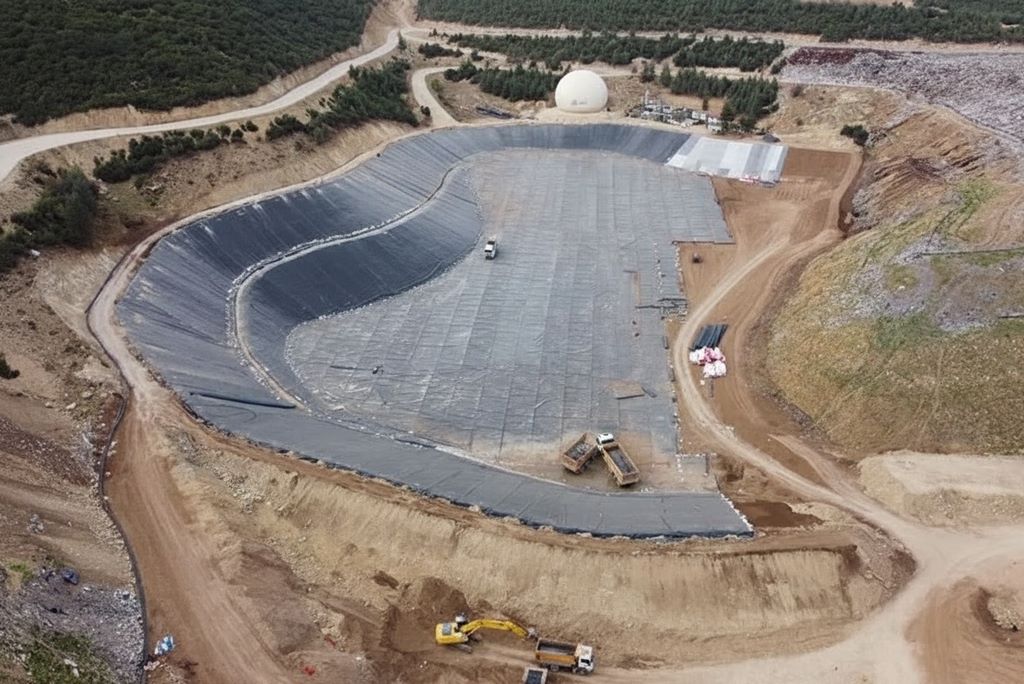 dust, odors, and pest infestation.
When the facility reaches the end of its lifespan, a thick final cover system—consisting of vegetation and insulation layers—is constructed to make the land suitable for reuse.
Classes of Sanitary Landfill Facilities
Landfill facilities are generally divided into three classes according to the hazard level of the waste:
Class 1 Sanitary Landfill Facility: Facilities designed for the disposal of hazardous waste, possessing the highest insulation and safety standards.
Class 2 Sanitary Landfill Facility: Facilities where domestic (municipal) waste and non-hazardous industrial waste are disposed of.
Class 3 Sanitary Landfill Facility: Facilities where inert (non-reactive) waste, such as construction and demolition waste, is disposed of.
Environmental and Economic Importance
Although sanitary landfilling is the last step of the solid waste management hierarchy, it is of vital importance for modern society:
Environmental Protection: Contamination of groundwater and surface water is prevented through leachate control.
Energy Production: Generating electricity from landfill gas both reduces greenhouse gas emissions and contributes to the local economy.
Site Restoration: Closed landfill areas can be reused for different purposes such as parks, green spaces, or golf courses after necessary remediation works.
Health and Safety: It eliminates the risks of odors, pests, diseases, and fires associated with open dumping sites.