Ecological, Smart ve Sustainable Cities
Coastal and beach cleaning is a multifaceted activity of vital importance, not only for aesthetic concerns but also for protecting the marine ecosystem, ensuring human health, and maintaining the sustainability of tourism activities. Cleaning processes cover both the sea surface and the terrestrial shoreline, combining mechanical methods with manual efforts.
Coastal and Beach Cleaning Methods
Coastal cleaning requires different techniques based on the geographical structure of the region (sandy, rocky, reedy) and the type of pollution.
Beach Cleaning (Terrestrial Area)
Mechanical Cleaning with Sand Sifting Machines
Manual Cleaning
Algae Cleaning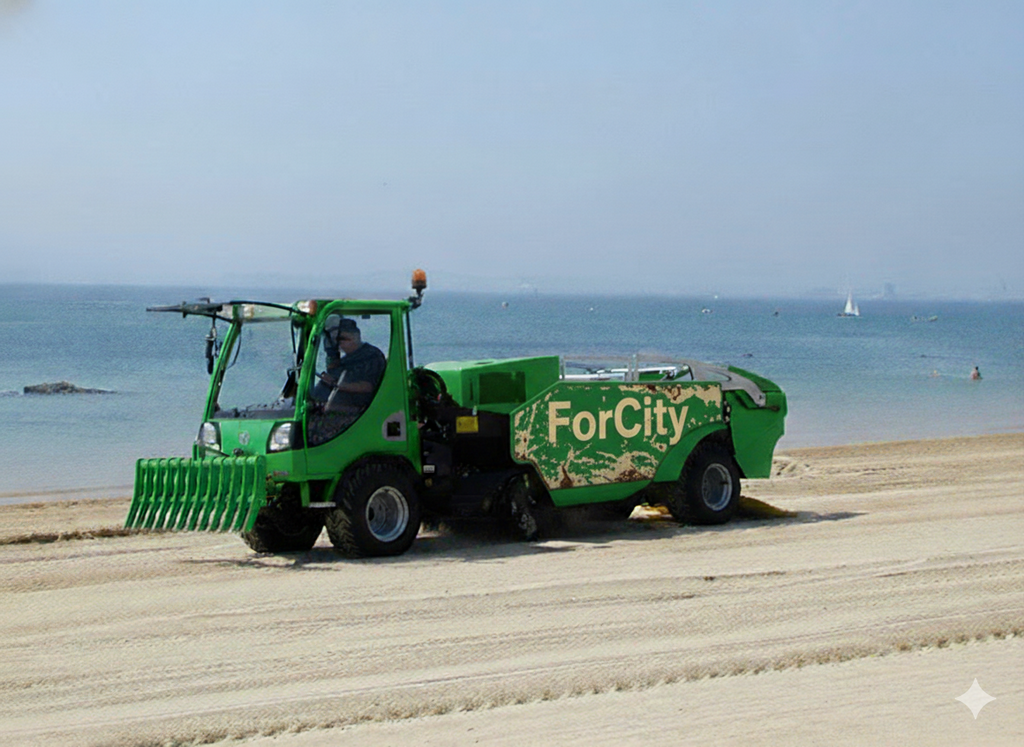
Sea Surface and Seabed Cleaning
Sea Sweepers
Floating Barriers
Seabed Cleaning
Environmental and Social Benefits of Coastal Cleaning
Cleaning efforts provide deep environmental and economic benefits beyond just removing visible pollution.
Protection of Marine Life
Maintenance of Ecological Balance
Human Health and Safety
Sustainability of Tourism
Data Collection and Monitoring
Modern coastal cleaning serves not only for collection but also for generating scientific data:
Blue Flag Criteria
Marine Litter Monitoring Program (TURCEV)
Coastal and beach cleaning is carried out through the joint efforts of local governments, licensed environmental companies, and voluntary environmental organizations (e.g., Marine Life Protection Association/TURMEPA).