Infrastructure and Superstructure Construction Works
Ecological, Smart ve Sustainable Cities
INFRASTRUCTURE APPLICATIONS
Environmental infrastructure construction applications today go beyond meeting basic needs; they encompass projects that aim to minimize environmental impacts, conserve natural resources, and build cities resilient to climate change. This approach is generally referred to as Sustainable Infrastructure or Green Infrastructure.
For the ecological transformation of settlements, such infrastructure applications are being increasingly implemented by local authorities and environmental management bodies.
1. Water Management and Circular Practices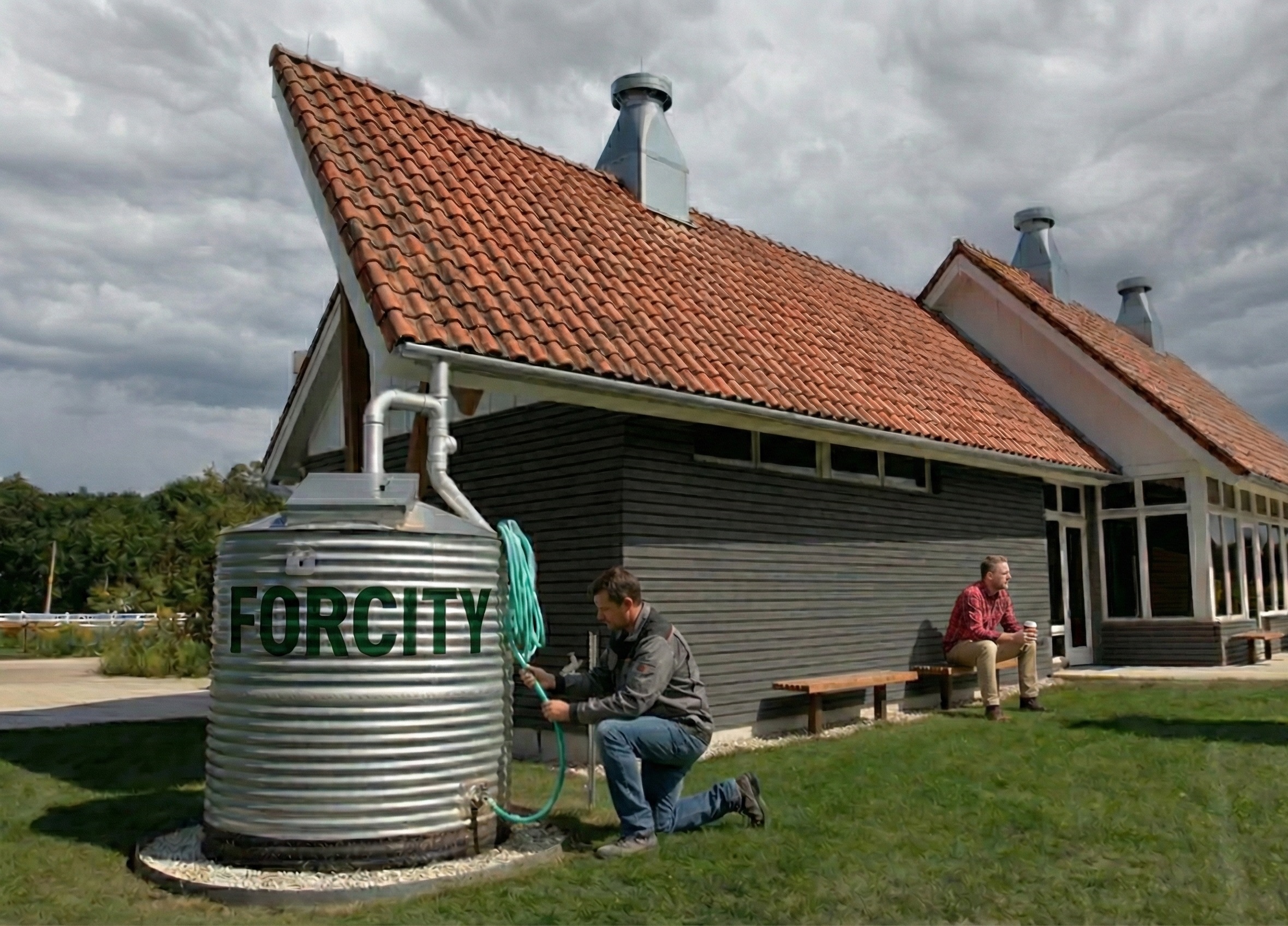
Water is the most critical component of environmentally focused infrastructure. Applications focus on the efficient use, collection, and treatment of water.
• Construction of Advanced Water Treatment Facilities
• Rainwater Harvesting (Collection Systems)
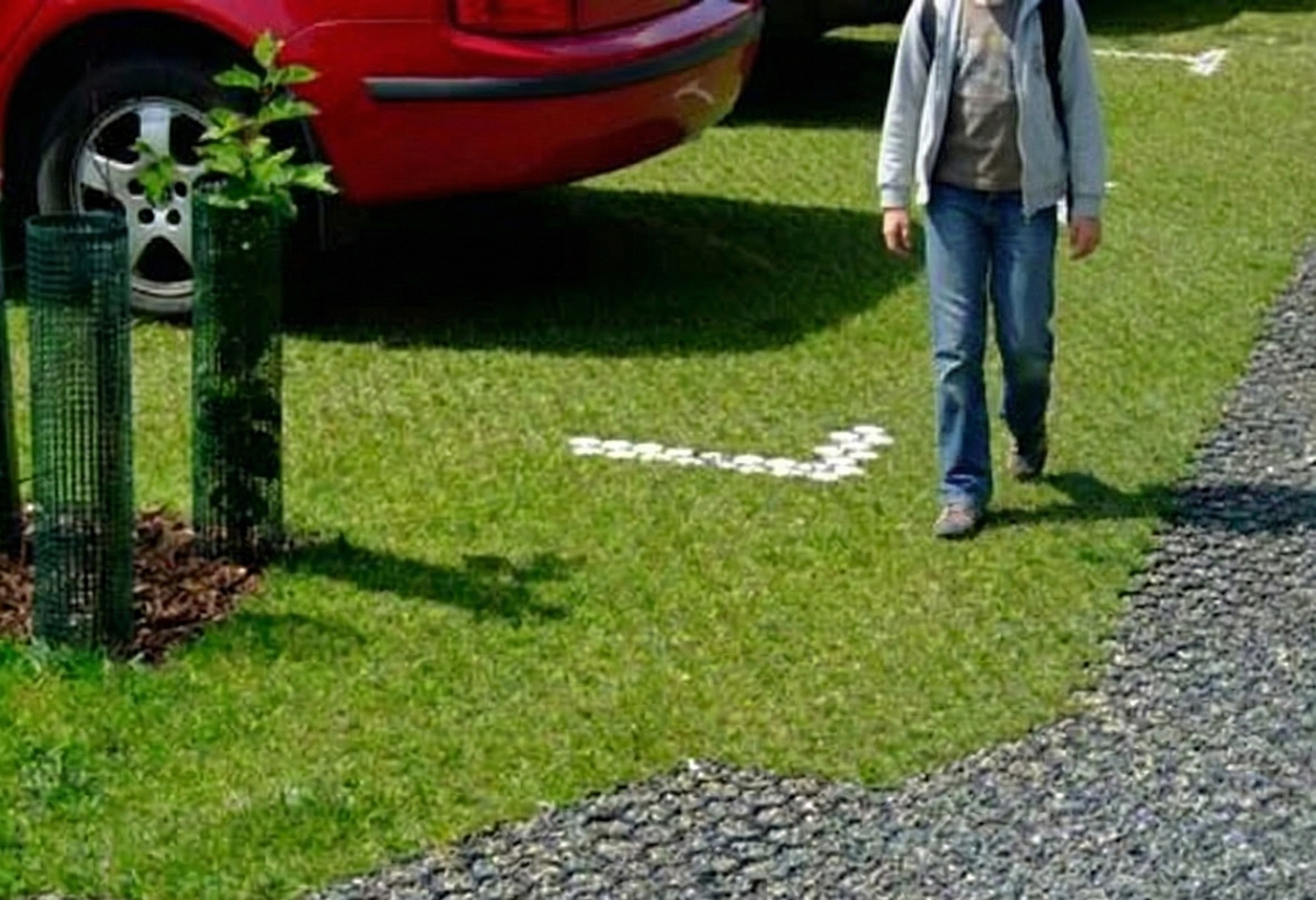
• Permeable Pavements and Bioretention Systems
• Rain Gardens (Bioretention)
2. Green Infrastructure and Nature-Based Solutions
These approaches integrate solutions that mimic or preserve natural systems instead of relying solely on “gray infrastructure” (concrete, pipes).
• Green Roofs and Facades
• Urban Afforestation and Green Corridors
• Restoration of Natural Floodplains
3. Waste Management and Circular Economy
Environmentally sound management of construction and municipal waste, enabling their reuse as resources.
• Waste Collection and Sorting Infrastructure
• Construction of Composting Facilities
• Recycling of Construction and Demolition Waste
4. Sustainable Construction Materials and Energy
Practices aimed at reducing the environmental footprint of construction processes.
• Use of Green and Sustainable Materials
• Integration of Renewable Energy Systems
SUPERSTRUCTURE APPLICATIONS
Environmental superstructure construction applications refer to the parts of buildings, bridges, or other structures that are above the foundation and directly interact with their surroundings. The primary focus of these applications is to minimize the environmental (carbon) footprint of buildings and maximize energy efficiency.
These approaches are generally known as Green Building or Sustainable Building practices. In modern superstructure construction, such applications are widely adopted and encouraged within the framework of national and international environmental policies.
1. Energy Efficiency and Renewable Energy
The main objective of environmental sustainability in superstructures is to reduce energy consumption throughout the building’s lifecycle.
• High-Performance Thermal Insulation
• Smart Lighting Systems
• Renewable Energy Integration
• Efficient Heating and Cooling Systems
2. Water Conservation and Management
Applications aimed at reducing water consumption within buildings and minimizing wastewater discharge.
• Low-Flow Fixtures
• Greywater Recycling Systems
• Rainwater Harvesting
3. Material Selection and Waste Management
Focused on reducing environmental impact during construction and operation through appropriate material choices.
• Recycled-Content Materials
• Local and Natural Materials
• Low-Emission Materials
• Construction Waste Management
4. Green Roofs and Facades
Greening building roofs and facades to provide environmental and ecological benefits.
• Green Roofs
• Vertical Gardens (Green Facades)
These applications are internationally recognized and promoted through green building certification systems such as LEED (Leadership in Energy and Environmental Design) and BREEAM.
CONSTRUCTION PRACTICES
The primary goal of environmentally and health-oriented construction and building practices is to minimize the environmental impact of buildings while maximizing the health and comfort of occupants.
1. Human Health–Focused Practices (Indoor Environmental Quality)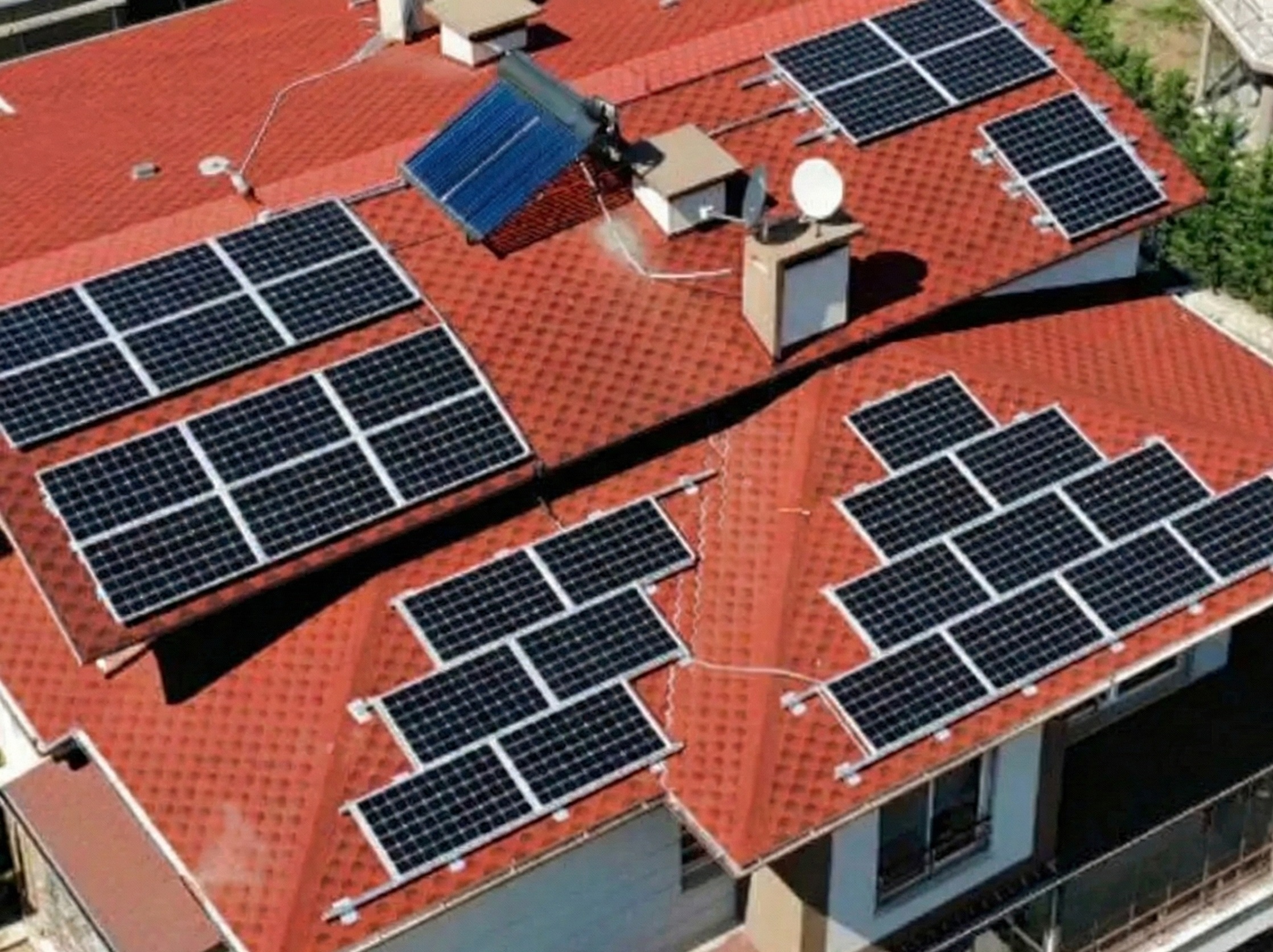
The most critical area where construction practices directly affect occupant health is indoor air and lighting quality.
• Low Volatile Organic Compound (VOC) Materials
• Optimal Ventilation Systems
• Natural Daylighting and Circadian Rhythm Design
• Thermal and Acoustic Comfort
2. Environmentally Protective and Resource-Efficient Practices
These practices aim to preserve ecological balance by reducing the environmental footprint.
A. Energy Efficiency and Renewable Energy
• High-Performance Building Envelope
• Passive Design Strategies
• Renewable Energy Integration
B. Water Management
• Rainwater Harvesting
• Greywater Recycling
• Water-Efficient Fixtures
C. Material and Waste Management
• Use of Recycled Materials
• Local Material Sourcing
• Sustainably Sourced Materials
• Construction Site Waste Management
D. Green Infrastructure
• Green Roofs and Facades
• Permeable Surfaces